It's not just a vibe. The numbers actually back it up.
From Shelves to Memories: What Changed
For decades, the default model of "treating yourself" looked pretty much the same everywhere - you bought something. A new phone, a jacket, a gadget. It was simple, transactional, and gave you something to show for it.
Then something flipped. Research across Central and Eastern Europe started showing that satisfaction from material purchases fades fast, while memories from experiences compound over time. You forget the phone you bought three years ago. You don't forget the weekend trip to Eger with friends, the cooking class that ended in disaster, or the evening you got genuinely absorbed into an online game that had no business being that entertaining.
Hungary, sitting at the crossroads of old-world tradition and fast-moving digital culture, became an interesting testing ground. The country had the ruin bars. It had the thermal baths. It had a long-standing café culture where spending three hours over one coffee was totally normal. That foundation made it easier to pivot - when the experience economy arrived in its digital form, Hungarians were already wired for it.
And "digital form" here means more than Netflix. Online gaming, live dealer platforms, interactive casino experiences like those at BetOnRed - these grew precisely because they offered something a passive purchase never could: the feeling of being in the middle of something. Every session is a little different. There's tension, decision-making, a result you didn't know in advance. That's not consumption - that's participation.
The Digital Layer: Entertainment That Earns Its Time
What's interesting about the Hungarian case is how quickly digital entertainment got folded into the "experience" bucket - alongside physical leisure, not instead of it.
Streaming services, gaming platforms, and interactive online entertainment saw accelerated adoption not because people stopped going out, but because they started treating screen time differently. The question shifted from "am I watching something?" to "is this actually engaging me?" Passive consumption lost ground. Active, skill-based, or socially shared digital experiences gained it. It's the same reason escape rooms exploded, the same reason "experience gifts" became a whole category on Hungarian e-commerce sites. People want to feel like participants, not spectators.
This also explains why gamification became such an effective hook. Points, levels, challenges - they're all just ways of turning a passive product into something that feels lived.
What Hungarians Are Actually Spending On
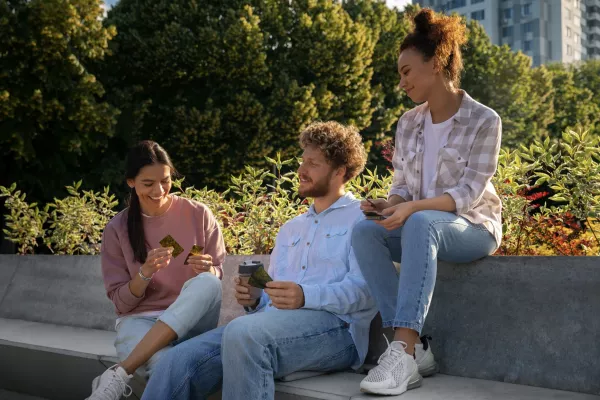
The categories shifting fastest in Hungarian leisure spending tell a pretty clear story:
● Live and immersive experiences - escape rooms, theatrical dining, immersive art installations. Budapest alone saw dozens of new escape room concepts open in the last five years, and the market hasn't peaked.
● Learning-as-leisure - cooking classes, language exchanges, craft workshops. The line between hobby and education blurred, and that's been good for both.
● Digital entertainment with depth - not just streaming, but platforms where you're actively doing something. Gaming, online casinos, interactive fitness apps. Stuff that requires your brain.
● Social experiences packaged as products - group tours, culinary events, concerts with added "experiences" attached. The event is almost secondary to the story you get to tell afterward.
One thing that runs through all of these: they're hard to replicate. You can buy the same laptop as someone else. You can't have the same evening they had.
Why This Matters Beyond Hungary
Hungary isn't unique here - but it's a useful lens. The country has a population that's digitally engaged but still deeply attached to physical, social traditions. That combination means the experience economy didn't erase old habits; it layered on top of them.
The result is a leisure culture that's more pluralistic than before. An evening might start at a thermal bath, move to a restaurant doing a tasting menu, and end with a few rounds on an online platform - and all three feel like parts of the same "experience" mindset, not contradictions of it.
For brands and platforms operating in this space, the lesson is pretty simple: stop selling features, start selling what it feels like to use them. The Hungarians who are spending are asking a different question than they used to. Not "what do I get?" but "what do I get to do?"
And that's a harder question to answer - but a much more interesting one to try.